A garden that belongs here

Find native plants recorded in your county.

Start with your ZIP code. We match it to your county and list the species recorded as native to your state in Kew’s World Checklist of Vascular Plants and USDA PLANTS and recorded in your county by USDA PLANTS, then you narrow it by light, moisture and room to grow.
Look up native plants by ZIP code

Matches your ZIP to the county it mostly lies in, then lists the plants recorded as native to your state (Kew’s World Checklist and USDA PLANTS) and recorded in that county by USDA PLANTS.

3,666 species · 3,166 counties · PLANTS data retrieved November 4, 2026

All 1,686 garden-ready plants →

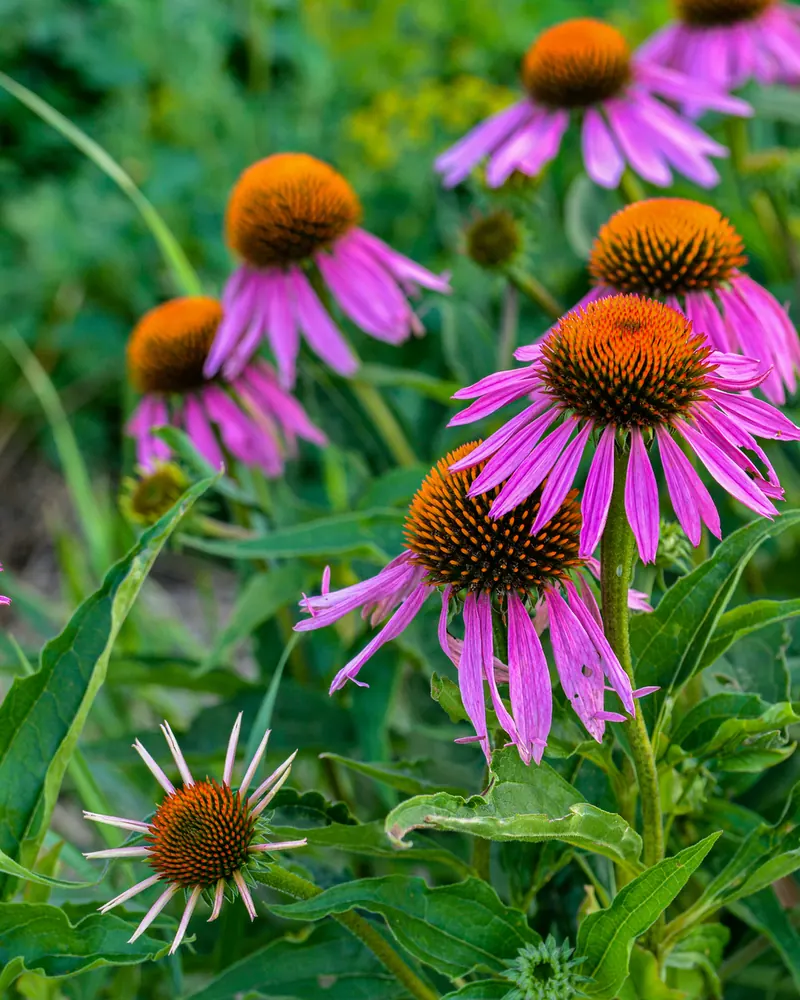
Purple coneflower (Echinacea purpurea) in bloom

Wildflower (forb)

Eastern purple coneflower

Echinacea purpurea

Native in 309 counties across 21 states. About 1.2 ft tall; full sun (shade-intolerant).

Estimated cold hardiness: zone 4a. Photo credits on the sources page.
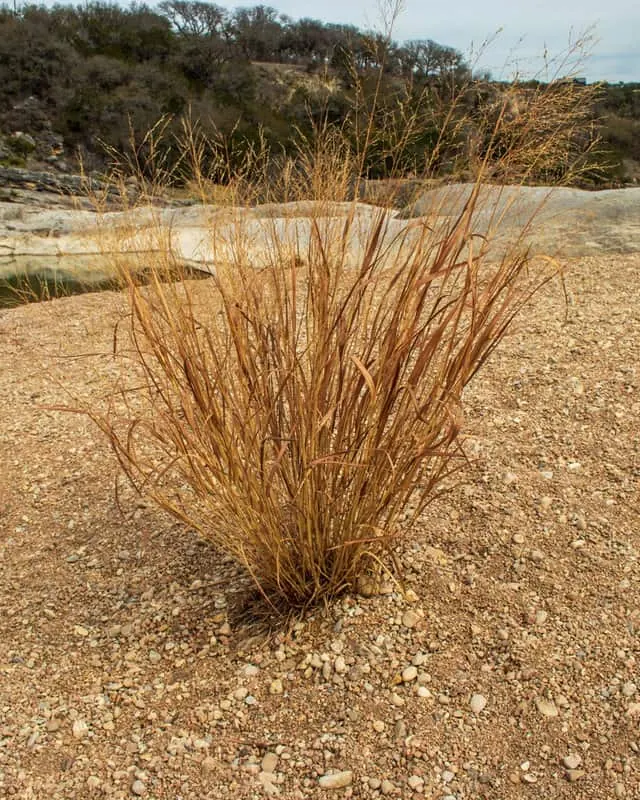
Little bluestem (Schizachyrium scoparium) clump on a gravel bar

Grass or grass-like

Little bluestem

Schizachyrium scoparium

Native in 1,717 counties across 43 states. About 3 ft tall; full sun (shade-intolerant).

Estimated cold hardiness: zone 3b. Photo credits on the sources page.
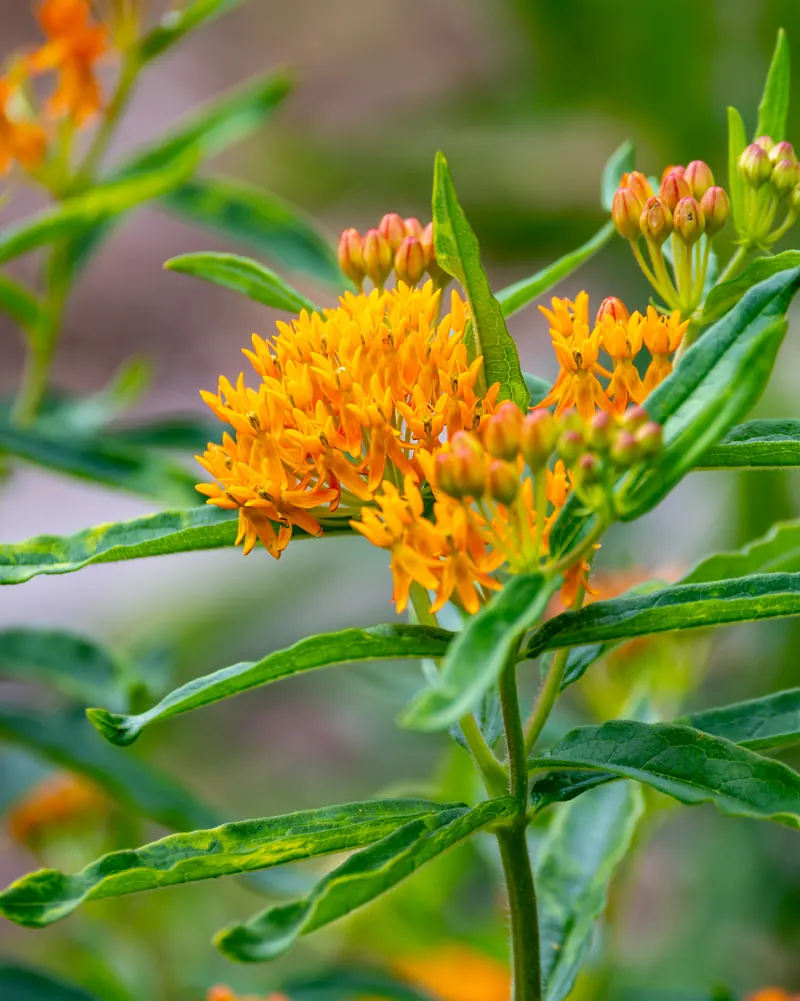
Butterfly milkweed (Asclepias tuberosa) in bloom

Wildflower (forb)

Butterfly milkweed

Asclepias tuberosa

Native in 1,594 counties across 40 states. About 2 ft tall; full sun (shade-intolerant).

Estimated cold hardiness: zone 4a. Photo credits on the sources page.
How to read your list

On your list
Recorded as native to your state in Kew’s World Checklist of Vascular Plants and USDA PLANTS, and recorded in your county by USDA PLANTS. Recorded native ranges can include long-established populations that spread from gardens; check your state’s native plant society list for local guidance.
Garden-ready
The species has a PLANTS growing record (height, light, moisture, minimum temperature), so you can filter it. Species without one are listed separately.
Estimated cold hardiness
We turn each plant’s PLANTS minimum temperature into the coldest USDA zone it should survive, and compare it with your ZIP’s 2023 zone. Method.
Native and introduced
Species such as dandelion and Kentucky bluegrass have native and introduced forms in the same state. They sit in a separate, collapsed section, not in the main list.

All states →

Source & data date

Source
USDA NRCS PLANTS Database: county distribution records, native status and plant characteristics. CC0 (public domain dedication, per the data.gov catalog record).
Kew’s World Checklist of Vascular Plants (WCVP): native or introduced status by state. CC BY 3.0.
USGS US-RIIS (ver. 2.0): species listed as introduced are excluded. CC0.
Citation
USDA, NRCS. 2026. The PLANTS Database (https://plants.usda.gov, 11/04/2026). National Plant Data Team, Greensboro, NC USA.
Govaerts R. (ed.) (2026). WCVP: World Checklist of Vascular Plants. Facilitated by the Royal Botanic Gardens, Kew. Data file dated 2026-06-04, http://sftp.kew.org/pub/data-repositories/WCVP/ (retrieved 2026-11-04). Paper: Govaerts R. et al. (2021) The World Checklist of Vascular Plants, a continuously updated resource for exploring global plant diversity. Scientific Data 8, 215.
Data date
Retrieved from PLANTS on November 4, 2026; WCVP data file dated June 4, 2026.
Zones
USDA Plant Hardiness Zone Map (2023) ZIP table: PRISM Group, Oregon State University, https://prism.oregonstate.edu, accessed November 3, 2026. Plant zones on this site are our estimate, not the official map.
Scope
3,666 native species (1,686 with growing traits) in 3,166 of 3,232 counties in the ZIP table; median 372 species per county, counting species listed as native and introduced.
Method
A species is listed when it is recorded as native to the state in Kew’s World Checklist of Vascular Plants and USDA PLANTS, and recorded in the county by USDA PLANTS. Species PLANTS labels both native and introduced are listed separately. Full method · All sources

Independent reference site. No government affiliation or endorsement.